
When Things Aren’t Going Well
Mental Health: Why Is It So Expensive, and How To Improve It?
We Aren’t Happy
The general mood isn’t great these days—not just at companies, but at nearly every organization: economic uncertainty, armed conflicts, and the uncertain social effects of new technologies are causing a lot of tension. More and more people are troubled by the question: what will become of us? What will happen to my job, my livelihood, my family? This not only lowers people’s morale but also greatly reduces work productivity. We are not happy, and this creates a major challenge for companies.
Organizations find themselves at a crossroads where business objectives must be balanced with the emotional well-being of their employees. Leaders face immense pressure to navigate these challenging times, managing not only productivity but also the increasing mental and emotional stress within their teams. The question then becomes: how can companies foster stability and hope during such uncertain times? Addressing these issues requires more than just strategic planning—it calls for empathy, resilience, and a renewed focus on human connections. In this blog, we’ll explore practical ways to lead through difficult times, ensuring both organizational and personal well-being.
The Staggering Cost of Mental Health Issues: Why Leadership Matters
Mental health challenges are not just a personal struggle—they represent a massive economic and organizational issue that effective leadership can help address.
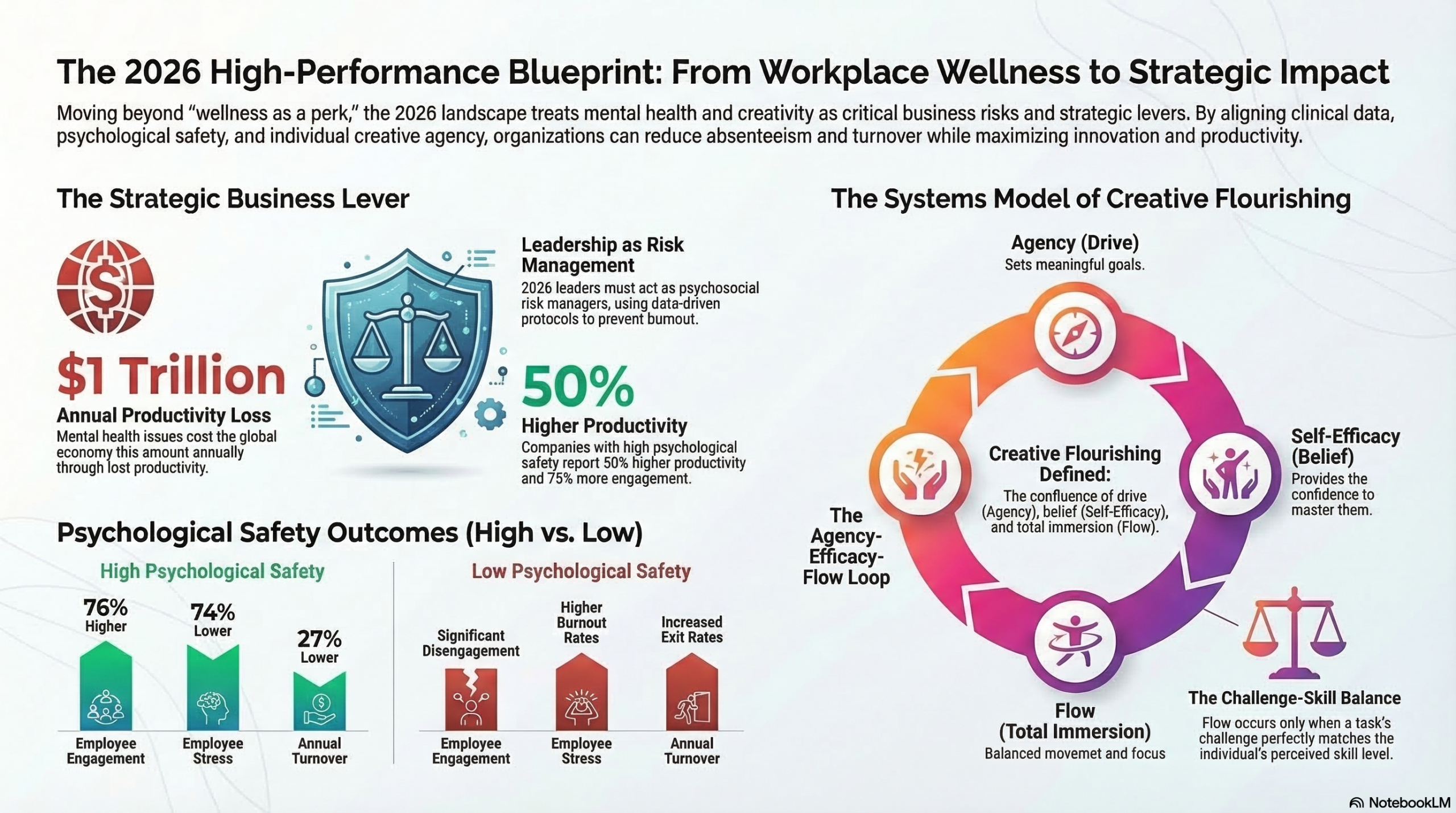
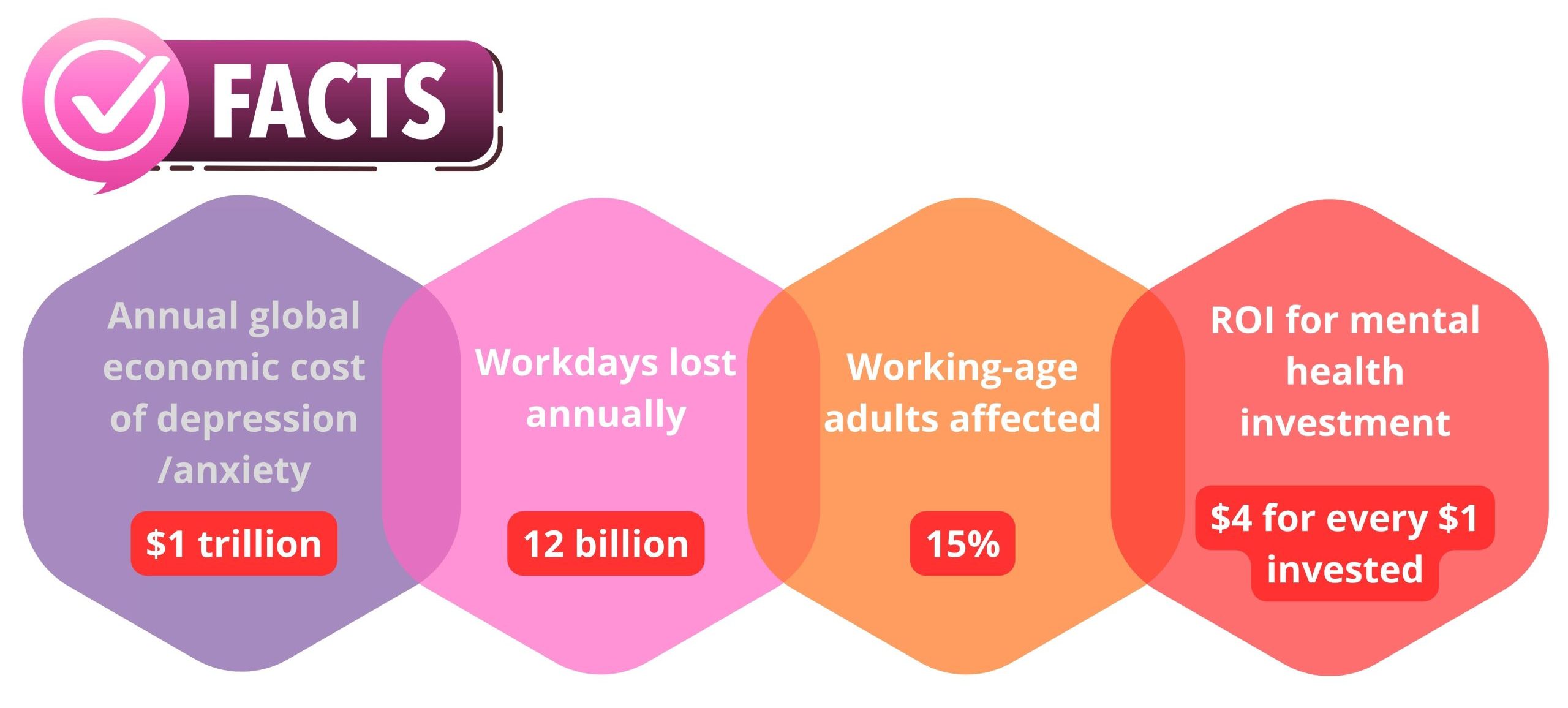
According to the World Health Organization, mental health issues—particularly depression and anxiety—cost the global economy an estimated $1 trillion every year, primarily due to lost productivity. This figure is almost unimaginable, especially when we consider that a significant portion of these losses could be mitigated through leadership that prioritizes well-being and fosters a supportive workplace culture. In fact, around 15% of working-age adults are living with a mental disorder at any given time, and an astonishing 12 billion workdays are lost annually due to these conditions.
The good news? For every $1 invested in mental health interventions, organizations see a $4 return in improved health and productivity. This underscores the critical role leaders play—not just in setting business strategy, but in shaping environments where people feel safe, valued, and empowered to thrive. By adopting the right attitude and setting clear priorities around mental health, leaders can transform these daunting statistics into opportunities for growth, resilience, and collective well-being.
How Can Leaders Build Skills to Improve Their Team’s Mental Health?
Maintaining mental health requires specific leadership skills and a strong commitment. But don’t panic—these skills can be learned, practiced, and refined. One of the first steps is to recognize the direct impact leadership has on team well-being. Leaders set the tone for workplace culture, influencing how employees cope with stress, find purpose in their work, and feel supported during challenging times. To do this effectively, it’s crucial to evaluate the value of tools and services that focus on mental health and leadership development.
For instance, FLIGBY provides a distinctive solution in this field. This leadership simulation is not just about decision-making or team management—it’s also designed to help leaders develop skills for promoting mental health within their teams. FLIGBY includes a specialized report, Lead Well, developed using guidelines from the Canadian Mental Health Institute, which offers actionable insights on supporting mental health through leadership. By participating in this simulation, leaders can explore real-world scenarios, practice empathy-driven leadership, and learn how to respond to mental health challenges effectively.
Using tools like FLIGBY, leaders can better understand the psychological needs of their teams and learn how to create a workplace that values mental health. Whether it’s by improving communication, offering support during difficult times, or fostering a culture of trust and openness, these skills are vital for leaders who want to build resilient, high-performing teams. And the best part? With proper guidance, anyone can develop these leadership skills.
How Online Simulations Help Mental Health?
Developing Skills in a Realistic yet Safe Environment
FLIGBY illustrates common workplace scenarios that often cause tension—such as conflicts over promotions, reorganizations, or customer issues, which are all familiar to us. The great benefit of soft skills simulations is that these challenging situations become analyzable, enabling leaders to practice and improve their responses through replay. This experiential learning method helps build emotional intelligence by immersing players in real-life scenarios that test their managerial and interpersonal skills.
A major strength of FLIGBY is its realistic portrayal of characters and communication—it’s as if the people you interact with stepped right out of the office next door. This lifelike environment creates narrative tension that makes the experience memorable and transformative, encouraging critical thinking and growth as players navigate imperfect, complex situations with conflicting agendas.
True learning starts by replaying these scenarios and applying the lessons learned in real-world settings. FLIGBY supports this process through online courses that offer automatic feedback and, when needed, live coaching to enhance understanding and skill growth. By practicing responses to tough business situations and interpersonal conflicts in a safe, simulated environment, leaders can build resilience and improve their mental skills. This hands-on experience is invaluable for preparing leaders to handle real workplace tensions with confidence and empathy, ultimately boosting their teams’ mental health and overall performance.
Use Case: Strengthening Mental Health at an IT Service Provider
How to reduce employee turnover by 32% and sick leave time by 28% in just two months through a series of $6,000 one-day workshops?
Here’s the story: a company on the East Coast of the United States, specializing in AI-based software solutions for the pharmaceutical industry, faced a big challenge: a sharp rise in employee turnover. Management identified two main causes. Externally, the labor market was unstable, with many employees looking for higher-paying jobs amid fears of fewer programming opportunities and a worsening economic situation. Internally, the company was dealing with pressures related to cost-cutting and increasing workloads, which were hurting employee morale.
Recognizing the vital role team leaders play in shaping workplace culture and easing tensions, the company decided to act. They introduced a one-day training program using the FLIGBY simulation, which allowed for quick deployment and immediate results. FLIGBY’s realistic scenarios, depicting common workplace conflicts such as promotions, reorganizations, and customer issues, gave leaders a safe environment to practice resolving tensions and enhancing communication. The simulation’s lifelike characters and automatic feedback system enabled participants to analyze their decisions and improve their leadership skills.
The results were remarkable. In just two months of the program, employee turnover dropped by 32%, and sick leave days decreased by 28%. This made the program’s ROI highly positive: the average cost of a one-day session for 12 team leaders was $6,000, including trainer fees and simulation licenses. These improvements not only boosted morale but also clearly demonstrated the benefits of investing in leadership training focused on mental health. By equipping leaders with the tools to foster a supportive and empathetic workplace, the company successfully turned a difficult situation into an opportunity for growth and resilience. This case shows how targeted interventions like FLIGBY can significantly help address mental health challenges at work.
By Zad Vecsey, ALEAS Group